Adapting to today’s rapidly evolving market requires business leaders to rethink how they manage resources, infrastructure, and operational strategy. As market conditions shift, companies face continuous pressure to streamline internal processes, enhance workforce productivity, and maintain physical and digital assets effectively. Scaling a company efficiently is rarely about focusing on a single department; rather, it requires a holistic approach that bridges workforce management, facility maintenance, strategic planning, and modern branding initiatives. When organizations struggle to balance growth with daily execution, identifying operational bottlenecks becomes essential. By looking at how specialized external services, modern training methods, and structural improvements work together, leadership teams can build a more resilient framework for long-term expansion. Addressing these key areas systematically allows decision-makers to solve core operational challenges while positioning their enterprise for sustainable success in a competitive landscape. Furthermore, establishing a culture of proactive planning enables businesses to anticipate market disruptions before they impact bottom-line revenue. Embracing continuous refinement across operational and administrative domains helps build long-term enterprise value while ensuring all stakeholders remain aligned with core organizational targets.
Optimizing Workforce Management and Administrative Efficiency
Managing internal staff while staying compliant with labor regulations can quickly overwhelm growing enterprises. When internal human resources departments become overloaded with administrative duties, strategic initiatives like talent retention and workplace culture often fall by the wayside. Partnering with external experts for hr outsourcing services helps businesses streamline payroll processing, regulatory compliance, and employee benefits administration without expanding internal overhead. This shift allows leadership to solve capacity issues and keep internal teams focused on revenue-generating activities.
By delegating time-consuming human resource tasks to dedicated external teams, companies eliminate common compliance errors and reduce liability risks. Operational administrative teams can then spend their energy optimizing talent acquisition pipelines and refining internal corporate policies. Additionally, external providers bring specialized industry knowledge and scalable tools that grow alongside the enterprise, ensuring that regulatory adjustments are adopted seamlessly. This holistic workforce approach creates a stable foundation for corporate expansion while protecting the company against unexpected administrative setbacks. Specialized HR management also provides valuable data analytics regarding employee productivity and turn-over rates, helping leadership make informed workforce investments over time.
Maintaining Vital Climate and Storage Systems
Operational continuity depends heavily on keeping specialized facility equipment running without interruption. For companies in food service, logistics, or pharmaceuticals, cooling failure can lead to severe financial losses and inventory damage. Contracting professional refrigeration services ensures that critical cooling equipment is regularly inspected, maintained, and repaired before unexpected breakdowns occur. Proactive maintenance protects sensitive assets and eliminates costly operational downtime.
In addition to preventing emergency system failures, routine maintenance significantly improves energy efficiency across commercial facilities. Efficiently running units consume less electricity, which lowers utility overhead and minimizes the carbon footprint of the commercial property. Technicians can identify hidden wear on internal components early, extending overall equipment lifespan and allowing businesses to plan capital expenditures strategically. Investing in dedicated facility support ensures daily peace of mind and preserves overall product quality. Systemized oversight also minimizes legal liability associated with health and safety standards for perishable product storage.
Elevating Leadership Capabilities Through Digital Education
Executing complex organizational goals requires project managers to possess up-to-date strategic and technical skills. When project leads lack formal framework training, deadlines slip and budgets exceed their original constraints. Enrolling key staff in project management online training equips team members with agile methodologies, risk mitigation strategies, and communication frameworks. Upskilling employees directly addresses project inefficiencies and improves execution speed across all departments.
As project workflows become increasingly complex and cross-functional, structured learning programs ensure that team leads speak a unified management language. Staff members learn how to utilize modern digital tracking software, allocate resources efficiently, and anticipate potential bottlenecks before they cause delays. Upskilled project managers can also facilitate clearer communication between departmental leads and executive stakeholders. Ultimately, continuous professional development translates directly into higher project success rates and stronger organizational performance. Structured training additionally boosts employee confidence and fosters internal promotion opportunities across management tiers.
Supporting Employee Security and Retention
Attracting and retaining high-performing talent requires a compensation strategy that extends beyond competitive base salaries. Modern professionals prioritize long-term financial security, and organizations that fail to offer robust benefit packages often experience higher turnover rates. Providing access to comprehensive retirement planning services demonstrates a clear commitment to staff welfare, helping businesses improve retention rates and solve workforce stability challenges.
A robust retirement benefits program serves as a powerful recruitment tool in competitive job markets, signaling that a company values its employees beyond their immediate output. Offering structured guidance helps workers build personalized financial strategies, reducing financial stress and boosting workplace satisfaction. Furthermore, well-managed retirement plans provide tax advantages for both the business and the participating workforce, creating a mutually beneficial financial dynamic that fosters long-term employee loyalty. Educating team members on long-term wealth building builds workplace morale and deepens corporate commitment.
Upgrading Commercial Facilities and Structural Integrity
Physical location maintenance and expansion projects demand careful coordination to prevent disruption to business operations. Undertaking renovation or construction tasks without expert oversight frequently leads to budget overruns and compliance violations. Hiring an experienced commercial contractor ensures that facility upgrades, structural expansions, and space modifications are completed on time and within legal building codes. This expertise minimizes project risks and maintains professional operational environments.
Professional build teams manage every phase of a physical renovation project, from securing necessary permits to supervising specialized subcontractors on-site. Their established vendor relationships allow businesses to source high-grade building materials at competitive pricing while maintaining project timelines. Furthermore, experienced contractors can anticipate site challenges before they cause costly delays, ensuring that facilities remain safe, functional, and aligned with company operational requirements throughout the renovation process. Professional oversight also guarantees that facilities meet modern energy-efficiency and physical accessibility standards.
Incorporating Quality Craftsmanship in Commercial Interior Design
The interior design and building materials chosen for commercial spaces significantly impact both aesthetic appeal and structural durability. Using low-grade materials often results in premature wear and frequent repair needs in high-traffic areas. Utilizing durable tongue and groove wood paneling offers an elegant, long-lasting material choice for interior walls and flooring. Selecting quality materials solves aesthetic concerns while reducing long-term maintenance costs for business properties.
Beyond durability, premium wood finishes enhance the acoustic properties of corporate interiors, reducing ambient noise levels in open-plan offices and reception areas. The tight interlocking fit of these panels prevents moisture infiltration and structural warping, keeping commercial spaces pristine over years of heavy daily use. Investing in superior materials elevates the professional atmosphere for clients and staff alike, creating an inviting environment that reflects high company standards. Thoughtful interior upgrades also leave positive impressions on visiting investors, partners, and prospective talent.
Ensuring Architectural Integrity and Safety Compliance
Before executing major structural modifications or new facility builds, companies must verify that their plans meet strict structural and safety standards. Attempting structural changes without proper technical validation can result in dangerous safety hazards and regulatory fines. Working alongside certified structural engineers ensures that facility designs are sound, code-compliant, and built to withstand physical stress. Professional engineering oversight eliminates structural vulnerabilities and protects physical assets.
Engineering specialists analyze foundation strength, load-bearing capacities, and environmental resilience to create detailed blueprints for construction teams. Their rigorous inspections verify that all ongoing build phases adhere strictly to local engineering regulations and zoning laws. By addressing load distributions and potential material fatigue upfront, businesses mitigate long-term liability risks and safeguard their workforce, clients, and physical investments against structural damage. Detailed structural analysis also aids in securing favorable commercial property insurance coverage rates.
Upgrading Event and Media Operations
Communicating effectively with large audiences during corporate events, product launches, or conferences requires dependable media hardware. Outdated audiovisual setups often lead to technical glitches that undermine a company’s professional reputation. Investing in high-performance live production systems allows businesses to stream content seamlessly, manage live audio effortlessly, and present a polished image to stakeholders. Reliable technology eliminates presentation failures and enhances audience engagement.
Modern production hardware integrates high-definition camera feeds, digital audio processing, and automated switching tools into a centralized control environment. This unified infrastructure allows technical teams to execute flawless live broadcasts, hybrid meeting streams, and internal corporate broadcasts with minimal friction. Delivering crystal-clear video and pristine audio helps organizations engage remote attendees effectively, expanding brand reach and reinforcing corporate authority during high-stakes presentations. Upgraded media capabilities also facilitate better internal communication across international office branches.

Enhancing Visual Presence with Modern Illumination
Establishing strong visual visibility in crowded commercial areas is vital for attracting foot traffic and building local brand recognition. Traditional signage can easily blend into the background or become unreadable after dark. Installing an energy-efficient led sign ensures high visibility day and night, drawing customer attention and conveying dynamic business updates in real time. Modern display technology solves local visibility issues and enhances storefront marketing.
Dynamic illuminated displays enable businesses to update marketing messaging, promote seasonal offers, and broadcast important announcements instantaneously without reprinting costs. Advanced LED lighting consumes significantly less power than older lighting technologies, resulting in lower monthly utility bills and minimal maintenance demands. This vibrant, modern display solution establishes a powerful visual landmark that sets commercial storefronts apart from nearby competitors. Eye-catching exterior lighting reinforces brand presence and drives local awareness consistently.
Creating Tailored Visual Branding Solutions
Off-the-shelf marketing displays often fail to convey a brand’s unique identity or highlight key value propositions to prospective clients. Generic visual elements can make a business appear unestablished or disconnected from its target market. Commissioning custom signs allows enterprises to showcase their distinct branding, guide customers through physical locations smoothly, and reinforce professionalism across every touchpoint. Tailored visual displays solve brand identity challenges and foster consumer trust.
Bespoke directional and architectural signage creates a cohesive navigation experience throughout corporate offices, retail campuses, and manufacturing sites. Working with specialized signage designers ensures that colors, typography, and material textures match brand identity guidelines perfectly. High-quality physical branding leaves a strong first impression on visiting partners and clients, projecting an image of credibility, attention to detail, and long-term stability. Custom display solutions reinforce organizational values across physical facility spaces.
Streamlining Logistics and Supply Chain Systems
Supply chain interruptions can derail business momentum and harm customer satisfaction levels. Businesses that rely on inefficient inventory tracking or outdated vendor networks often experience delivery delays and increased shipping costs. Re-evaluating logistics strategies and building partnerships with reliable supply chain providers helps organizations optimize stock control, reduce shipping expenses, and solve distribution bottlenecks effectively.
Modern logistics strategies integrate automated inventory tracking software that offers real-time visibility into stock levels and transit timelines. By analyzing historical demand data, companies can optimize reorder points, avoiding both excess inventory holding costs and costly stockouts. Strategic supply chain management fosters stronger vendor relationships, enables volume shipping discounts, and ensures that customer orders arrive reliably, driving higher satisfaction rates and sustainable business growth. Enhanced inventory visibility also lowers write-offs related to misplaced or damaged goods.
Fostering Adaptive Innovation and Technology Integration
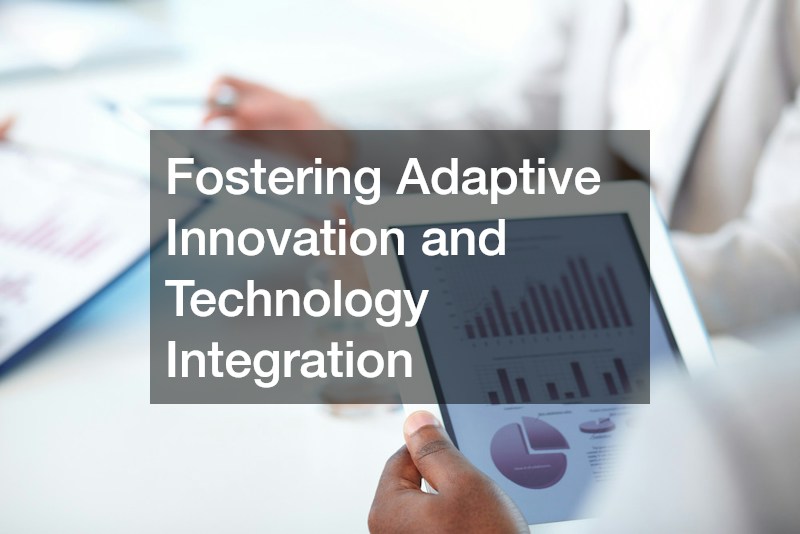
Failing to adopt modern digital tools can leave an enterprise lagging behind more agile competitors. Companies that rely on legacy software often face data silos, slow communication, and security vulnerabilities. Implementing modern cloud systems and data-driven management software enables businesses to improve decision-making accuracy and respond quickly to market shifts. Embracing technology solves operational inertia and drives continuous business growth.
Integrating advanced digital platforms consolidates disparate operational data into clear, central analytics dashboards. Leadership teams gain actionable insights into customer behavior, workflow efficiency, and financial forecasting, allowing for agile, data-backed strategic decisions. Embracing a culture of continuous technological innovation protects sensitive corporate data, accelerates daily cross-departmental collaboration, and prepares the enterprise to navigate future market shifts confidently. Scalable technology stacks ensure that organizations expand smoothly without requiring complete system overhauls.
Building a resilient, growth-oriented enterprise requires addressing vulnerabilities across workforce management, physical infrastructure, technology, and brand visibility. By taking a proactive approach to solving operational problems, business leaders can streamline daily workflows, protect valuable assets, and create a strong foundation for future expansion. Coordinating these strategic efforts ensures that an organization remains competitive, agile, and prepared for ongoing success. Ultimately, driving sustained business improvement relies on connecting all functional departments under a cohesive operational plan that emphasizes quality, safety, and modern performance standards.